

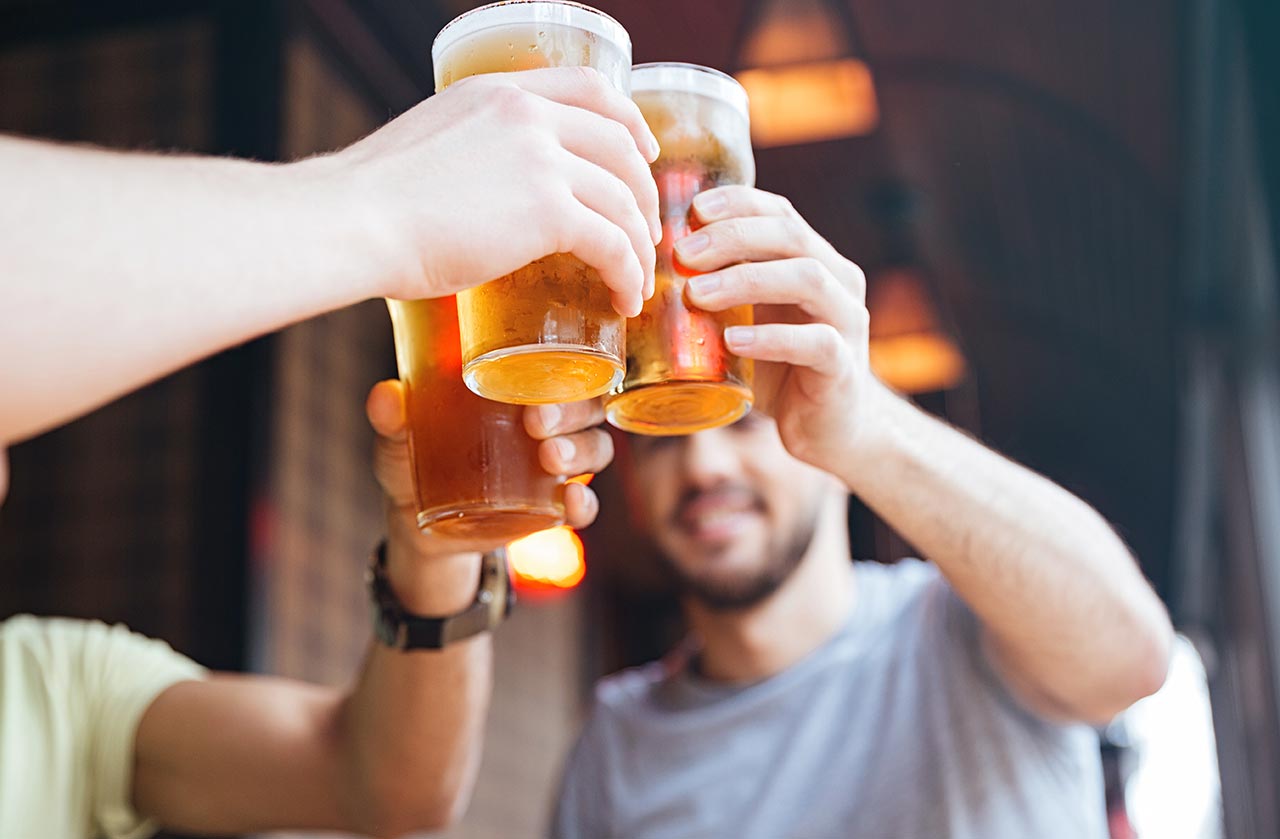
Happy Hour At The Four Penny
Come and Join Us For Happy Hour


 Contact us today.
 Sign up for our newsletter.
 Watch your inbox for an email revealing the times and offers for our secret happy hours!
 Don’t miss your chance to enjoy amazing drinks and delicious bites at unbeatable prices.
 Sign up now and let the happy times roll!
The History of Happy Hour
Happy hour, a cherished tradition in bars and restaurants around the world, is known for its enticing discounts on drinks and snacks during a specific time of day. While it’s now synonymous with socialising and relaxation, its origins reveal an intriguing evolution that stretches back over a century and is intertwined with military traditions, Prohibition-era ingenuity, and modern marketing strategies.
The Military Roots of “Happy Hour”
The term “happy hour” first appeared in the early 20th century in a rather unexpected context: the U.S. Navy. In the 1910s, sailors aboard naval ships began organising recreational events to break the monotony of life at sea. These events included boxing matches, wrestling contests, and music performances and were collectively referred to as “happy hours.” The goal was to boost morale and foster camaraderie among crew members.
The use of “happy hour” in this context became widely adopted in the Navy, and by the 1920s, it was part of the sailor’s lexicon. While there were no discounted drinks involved at this stage, the idea of taking time out to unwind and enjoy oneself was firmly established.
Happy Hour During Prohibition
The concept of happy hour as we know it today began to take shape during Prohibition in the United States (1920–1933). With the production, transportation, and sale of alcohol banned nationwide, Americans sought creative ways to enjoy their favourite beverages. “Happy hour” emerged as a term for secret, pre-dinner gatherings where people would drink at speakeasies or private homes before heading to restaurants that couldn’t serve alcohol.
These clandestine drinking sessions were marked by social interaction, laughter, and a sense of rebellion against restrictive laws. The tradition of pre-dinner drinks became a cultural phenomenon, and while Prohibition ended in 1933, the habit of gathering for drinks before a meal persisted.
The Commercialisation of Happy Hour
In the post-Prohibition era, the term “happy hour” gradually became associated with bars and restaurants. By the 1950s and 1960s, savvy business owners began using happy hour promotions to attract customers during slower hours, typically in the late afternoon and early evening. These establishments introduced discounts on alcoholic beverages and small plates, creating a social and economic incentive for patrons to stop in before heading home or out for dinner.
The rise of happy hour coincided with the post-World War II economic boom, as Americans embraced social leisure activities. Bars and lounges became popular gathering spots, and happy hour promotions further solidified their appeal. The concept also spread internationally, becoming a beloved practice in many cultures.
Happy Hour in the Modern Era
Today, happy hour is a global phenomenon, celebrated in diverse ways. While traditional happy hour offers revolve around discounted drinks, many establishments have expanded the concept to include food specials, themed nights, and even family-friendly options. Some regions have faced regulatory restrictions, with laws limiting or banning alcohol promotions during certain hours, but the spirit of happy hour endures.
Whether enjoyed at a trendy bar in New York, a beachfront pub in Sydney, cozy café in Paris or at the Four Penny in Warwick, happy hour continues to serve as a time to relax, connect, and celebrate the end of a productive day. Its evolution from naval recreation to Prohibition gatherings and into a cornerstone of hospitality culture reflects its enduring appeal.
From its historical roots to its modern-day celebrations, happy hour remains a testament to humanity’s love for camaraderie, enjoyment, and taking time to savour life’s little pleasures.